
Why Exterior Shades Are the Secret Weapon for Hot, Sunny Homes in Colorado Springs
7016601630 • July 9, 2025
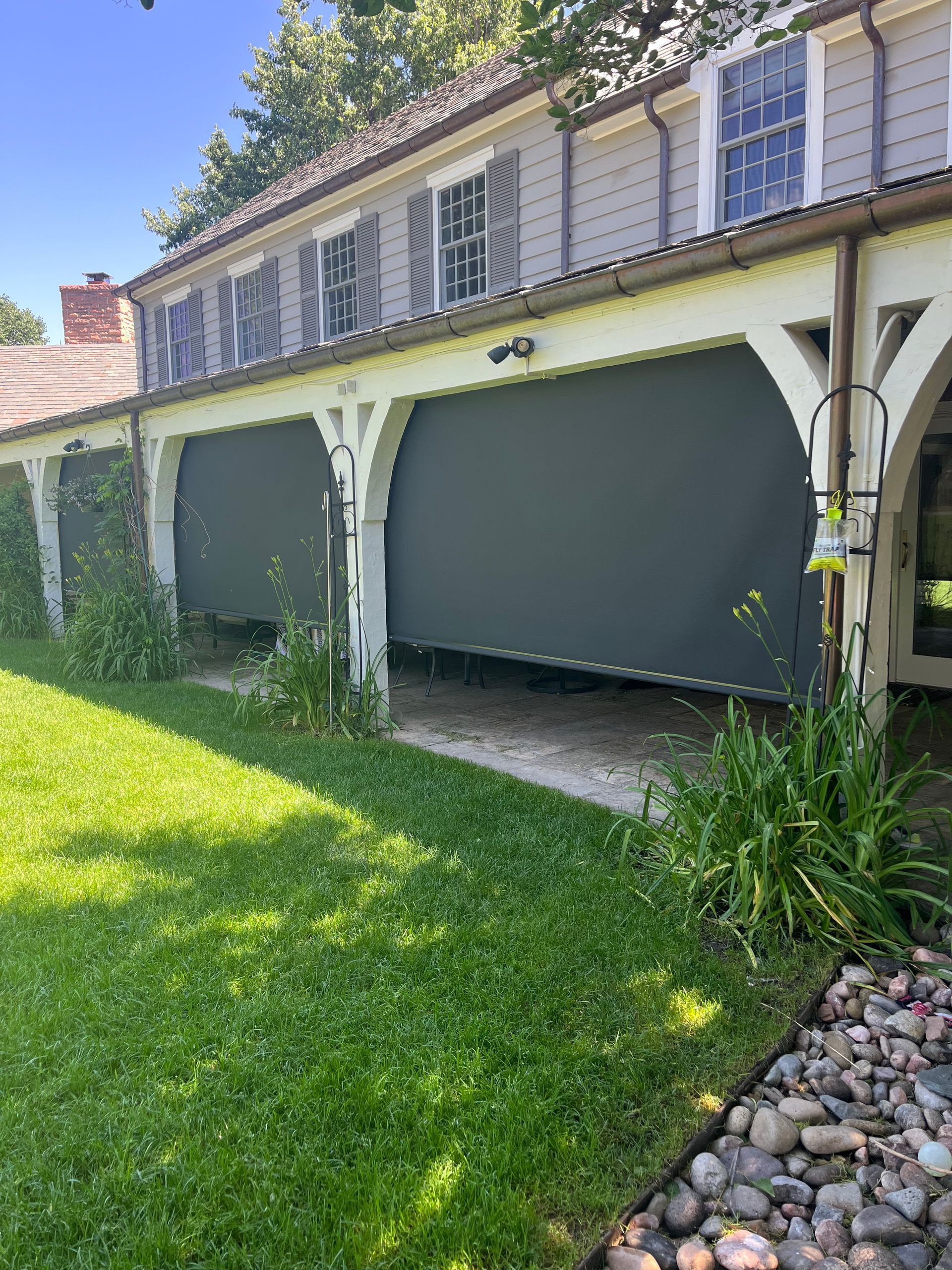
Exterior shades stop the heat at the source — so your A/C doesn’t have to.
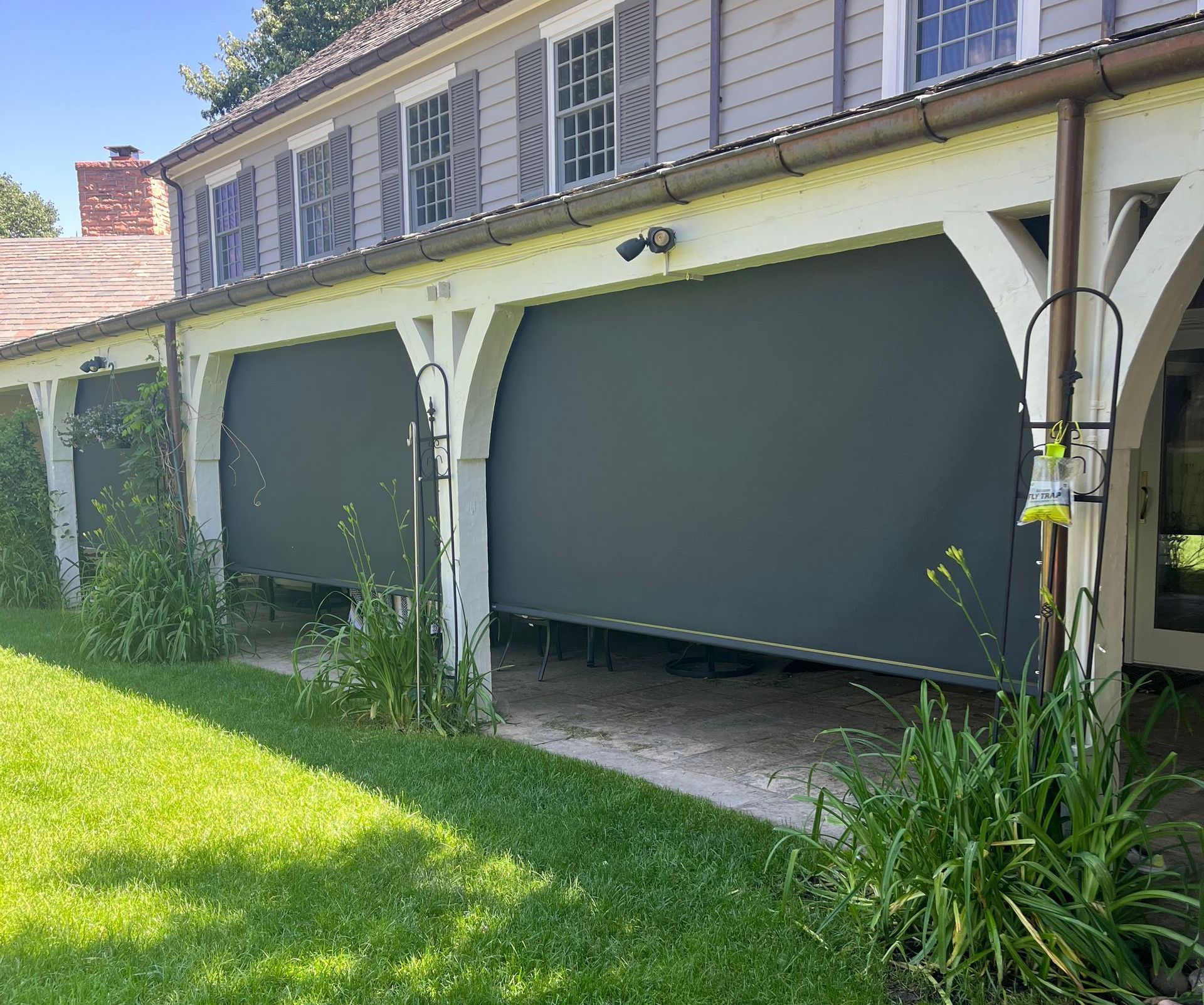
You love your home — but not when the sun turns it into an oven.
If you’ve got rooms that overheat, furniture that’s fading, or patios you can’t use in the afternoon, exterior shades might be exactly what you need (and most people don’t even know they exist).
🌞 What Are Exterior Shades?
Unlike regular blinds or curtains that go inside your windows, exterior shades
are mounted outside — often on patios, porches, or the exterior of west-facing windows. That means they block the sun before it hits your glass, keeping your home cooler and more comfortable.
They look sleek, they work quietly in the background, and most can roll up and disappear when you don’t need them.
🔥 Why They’re So Useful in Colorado Springs
We get intense sun at this elevation. That’s great for plants, not so great for your furniture, floors, or energy bills.
Exterior shades are especially helpful for:
-West-facing windows that trap afternoon heat
-Patios or decks that are too hot to use after 2 PM
-Kitchens or living rooms with large, sun-exposed glass
-Privacy from neighbors without losing light
💸 Save on Cooling Costs
Because exterior shades stop heat before it gets inside, your A/C works less — and you’ll feel the difference fast.
Plus, they protect your interior from UV damage, meaning your flooring, upholstery, and artwork last longer.
🤔 Exterior Shades vs. Interior Shades — What’s the Difference?
Both help with light and privacy, but exterior shades go one step further:
Interior shades block the sun once it's already inside. Exterior shades stop it before it enters.
It’s like the difference between wearing sunglasses vs. putting up an umbrella.
🛠️ Manual or Motorized — You Choose
You can go simple with pull-down exterior shades, or go fully motorized with a remote, wall switch, or smart home system. We’ll show you the options that make sense for your space and budget.
📍 Installed Right Here in Colorado Springs
We’ve installed exterior shades on everything from custom patios in Black Forest to kitchen windows in Old Colorado City. We know how to mount them cleanly, how to angle them for your sun pattern, and how to make sure they last.
💬 Want to See If They’d Work for You?
We’ll come out, take a look, and give you an honest opinion — no pressure, no big sales pitch.
Sometimes exterior shades are perfect. Sometimes there’s a better fit. You’ll know either way.
👉 [Contact us today]
to set up a free consultation.
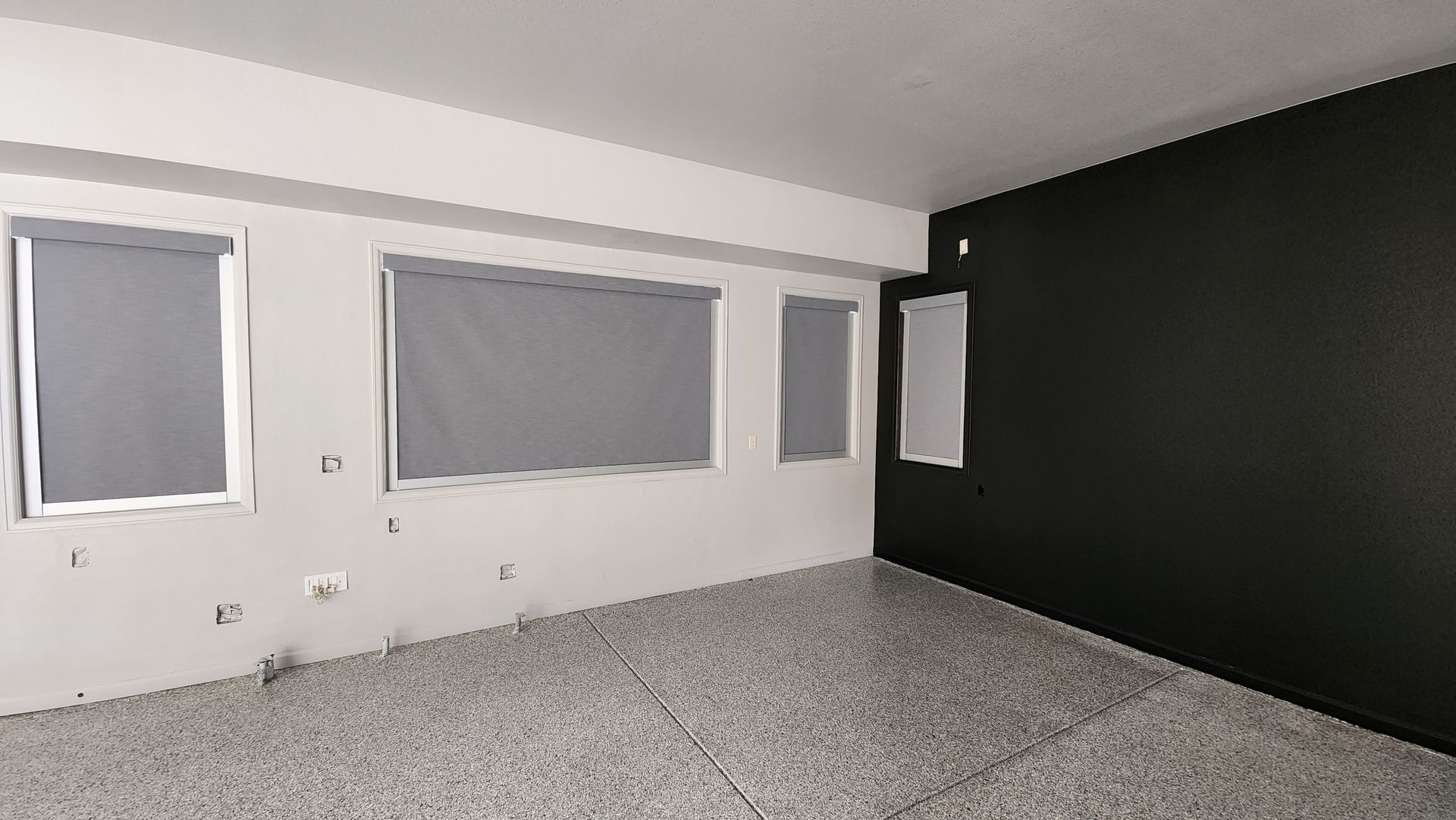
You’ve got the gear. The projector, the screen, the software. Maybe even a full golf simulator or theater system. But if you still have bare windows or light coming through the shades, you're not getting the experience you paid for. Light control makes all the difference in any room built for screens, sports, or entertainment. Whether you're swinging a club in your golf sim, watching a movie in your home theater, or gaming with friends, the right window coverings are what take it from good to fully immersive. Here’s how we help homeowners create a clean, dark, and functional space that actually works. Why Total Light Control Matters for Simulators and Screens You’ve probably already noticed it. Glare washing out the screen Shadows where you don’t want them Light bleeding in and ruining contrast Distractions from reflections on windows Projectors need darkness to perform their best. Even a little daylight can ruin brightness, clarity, and overall picture quality. 🪟 The Best Shades for Golf Simulators and Media Rooms Not every window covering is built to handle this kind of job. Here’s what we usually recommend: ✅ Blackout Roller Shades These are clean, modern, and minimal. When closed, they block nearly all light. They can be paired with side channels to help block light around the edges too. ✅ Motorized or Smart Shades Remote-controlled or app-connected shades make it easy to block out light instantly. You can even set them on timers, so they lower just before your simulator or movie time. Other Rooms That Benefit from Blackout Shades This setup works great in more than just simulator spaces. Homeowners are also using blackout solutions in: Home theaters Game rooms with large screens Video editing or creative studios Meditation or yoga rooms where light control matters Any space with screens, projections, or specific lighting needs will benefit from full blackout coverage. Custom Fit Matters Getting the right result depends on more than just the shade itself. We take time to measure each window correctly and recommend the best mounting method, so everything fits clean and works the way it should. No light gaps. No headaches. Cheap, store-bought blackout shades often leave gaps or hang awkwardly. We make sure that doesn't happen. Let’s Build the Room Right If you’ve already invested in a simulator or home theater setup, don’t let a simple lighting issue ruin it. We’ll help you pick the right product, handle the install, and make sure the result actually works the way it should. Contact us today t o set up a free in-home consultation and get your space finished the right way.
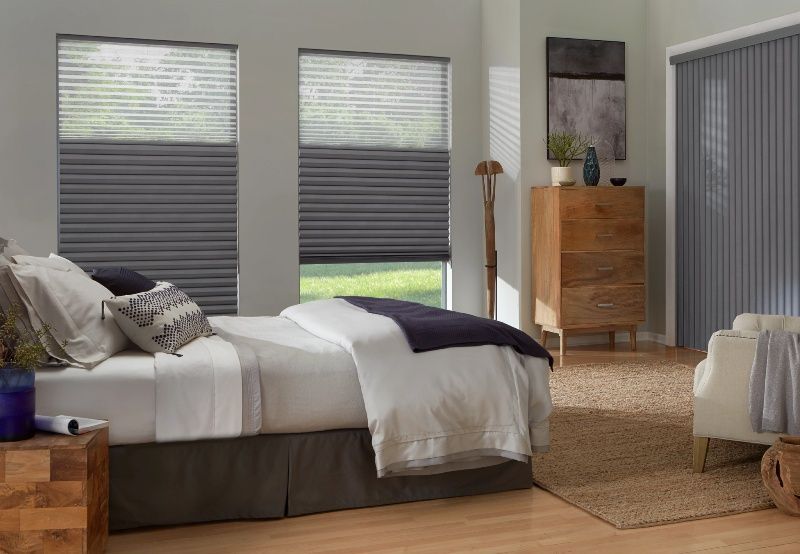
A Warmer, Cozier Home Starts at the Window As temperatures drop and the sun disappears earlier each day, your windows start to play a bigger role in how your home feels and how much you spend on energy. If you’ve been putting off upgrading your blinds or shades, this is actually the perfect time to take care of it. Whether you're trying to keep the cold out, get your home ready for guests, or just want things to feel cozier before the holidays hit full swing, late fall and early winter are ideal for updating your window coverings. Here’s why. 1. Window Coverings Can Help Cut the Chill and Lower Your Heating Bills Most homeowners don’t realize how much warm air escapes through windows in the winter. Without the right shades or drapes, even brand-new windows can still let in drafts and let out heat. The right coverings act like insulation - helping trap warmth inside and keep the cold air where it belongs: outside. Some of the best cold-weather options include: Cellular (honeycomb) shades : Trap air in pockets and reduce heat loss Motorized shades : Can be programmed to open during sun hours and close in the evenings to trap heat 2. Your Home Will Look More Finished for the Holidays Got company coming over? Whether it’s for Thanksgiving dinner or a holiday gathering in December, your windows are one of the first things people notice. Fresh window coverings: Instantly make your rooms feel more polished and cozy Add privacy as the days get darker and interior lights make your home more visible from outside Let you control light better for entertaining and relaxing evenings Even a simple update can make a room feel newly styled — without needing to repaint or buy new furniture. 3. Avoid the Spring and Summer Rush Many homeowners wait until spring to think about home updates — but by then, installers are booked out, materials may be backordered, and heat issues are already hitting hard. By ordering in November or early December: You get quicker turnaround times There’s less competition for scheduling You’ll enjoy the benefits all winter long (not after the fact) 4. Winter Sun Is Still Bright in Colorado Springs Just because it's cold doesn’t mean the sun isn’t a problem. That low-angle winter sun can cause glare, heat certain rooms unevenly, and even fade furniture over time. Window coverings aren’t just for privacy or decoration — they help you manage sunlight year-round. Ready to Warm Up Your Home This Season? We’ll help you choose coverings that: Keep your home warmer Lower your energy bills Look great for holiday hosting And install cleanly, quickly, and professionally Contact us for a free in-home consultation and we’ll bring samples, real advice, and help you get your home winter-ready.
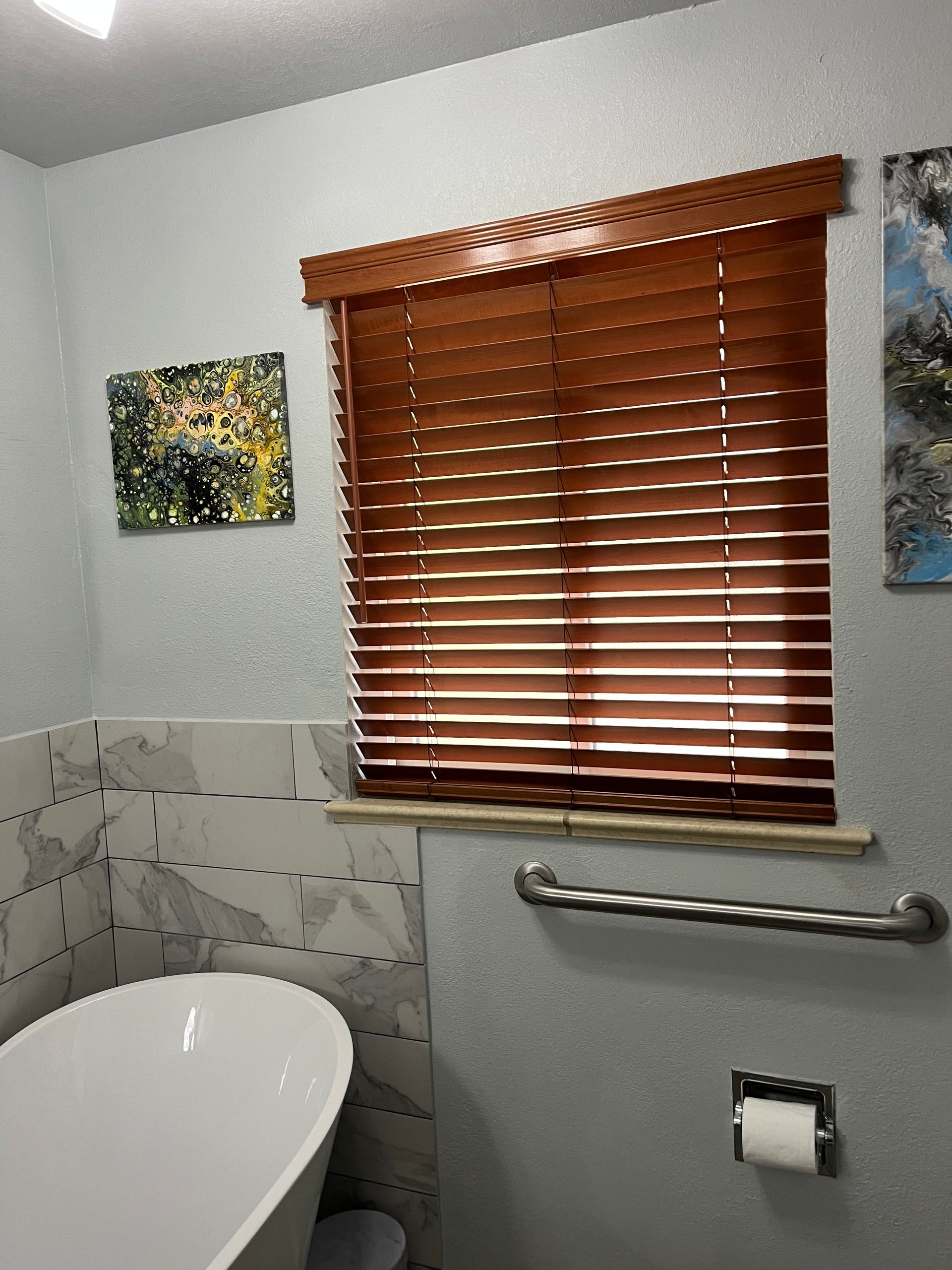
5 Common Window Covering Mistakes Homeowners Make — And How to Avoid Them
Share On: